
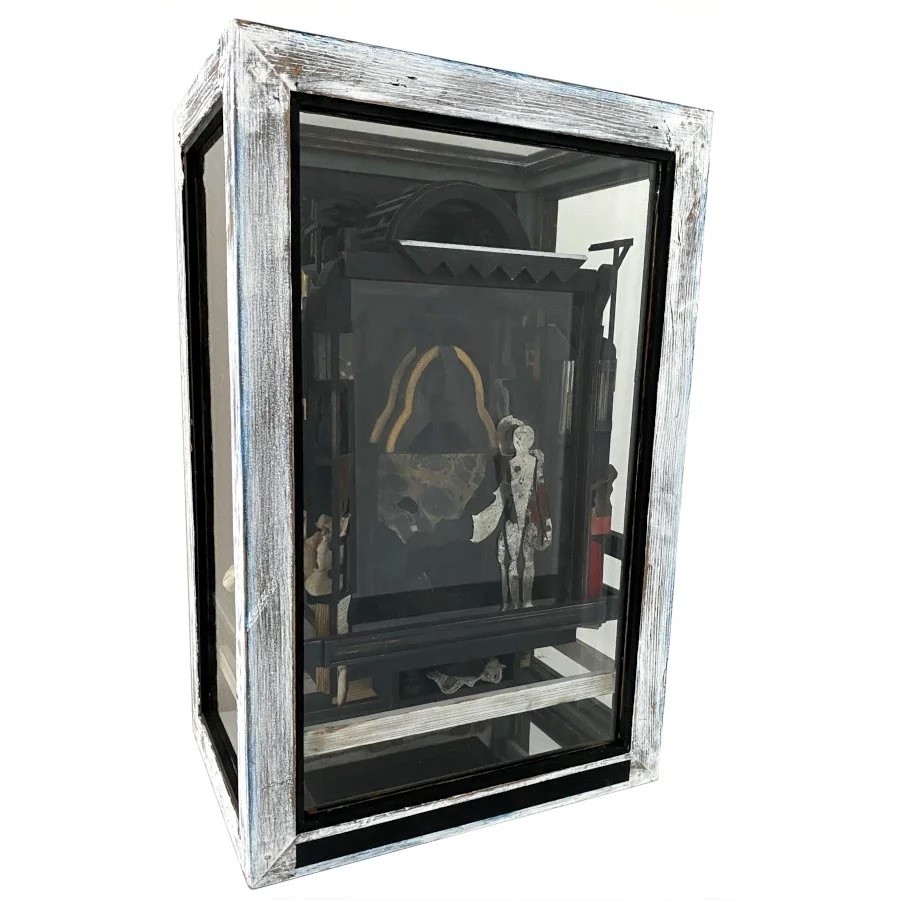
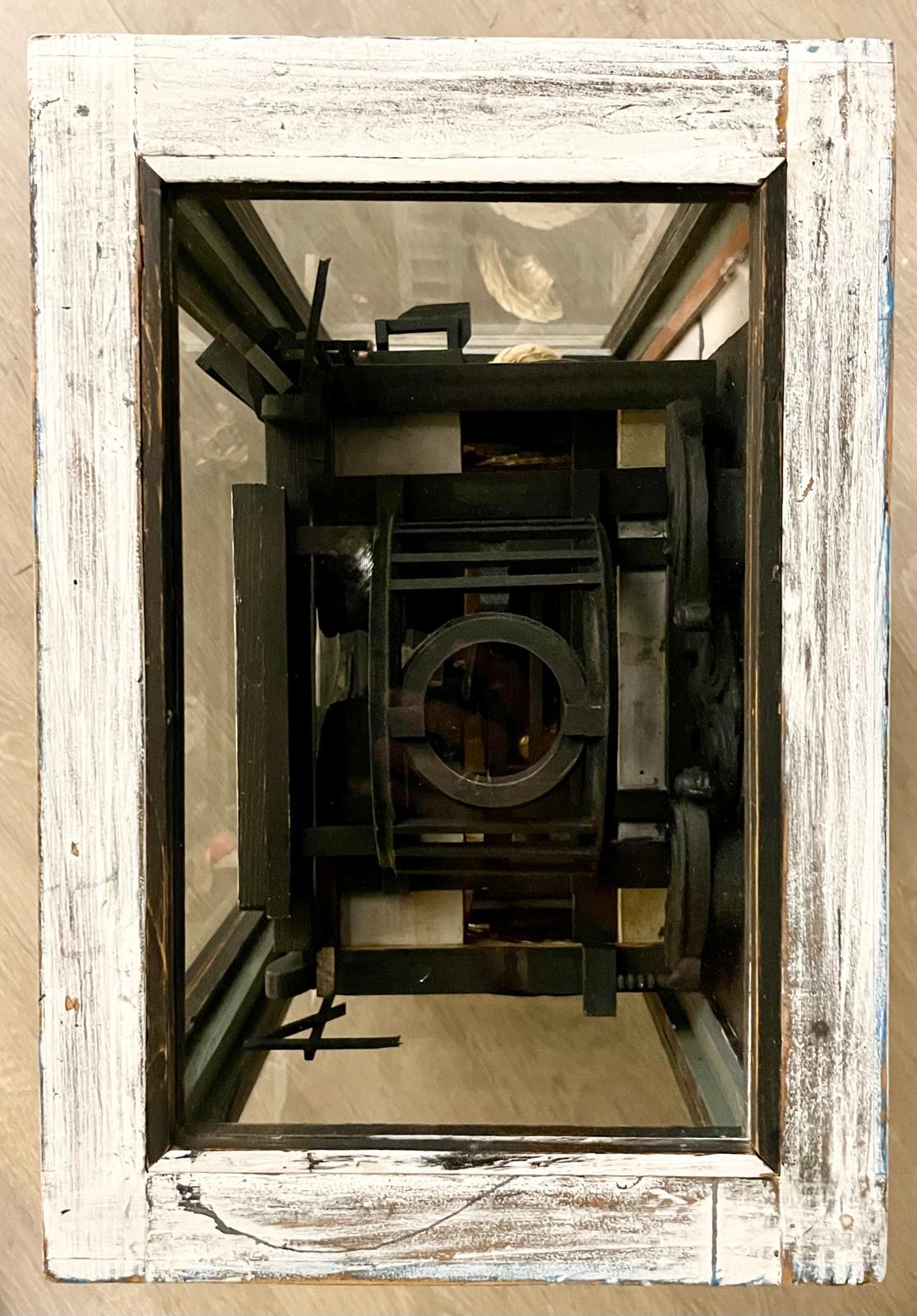
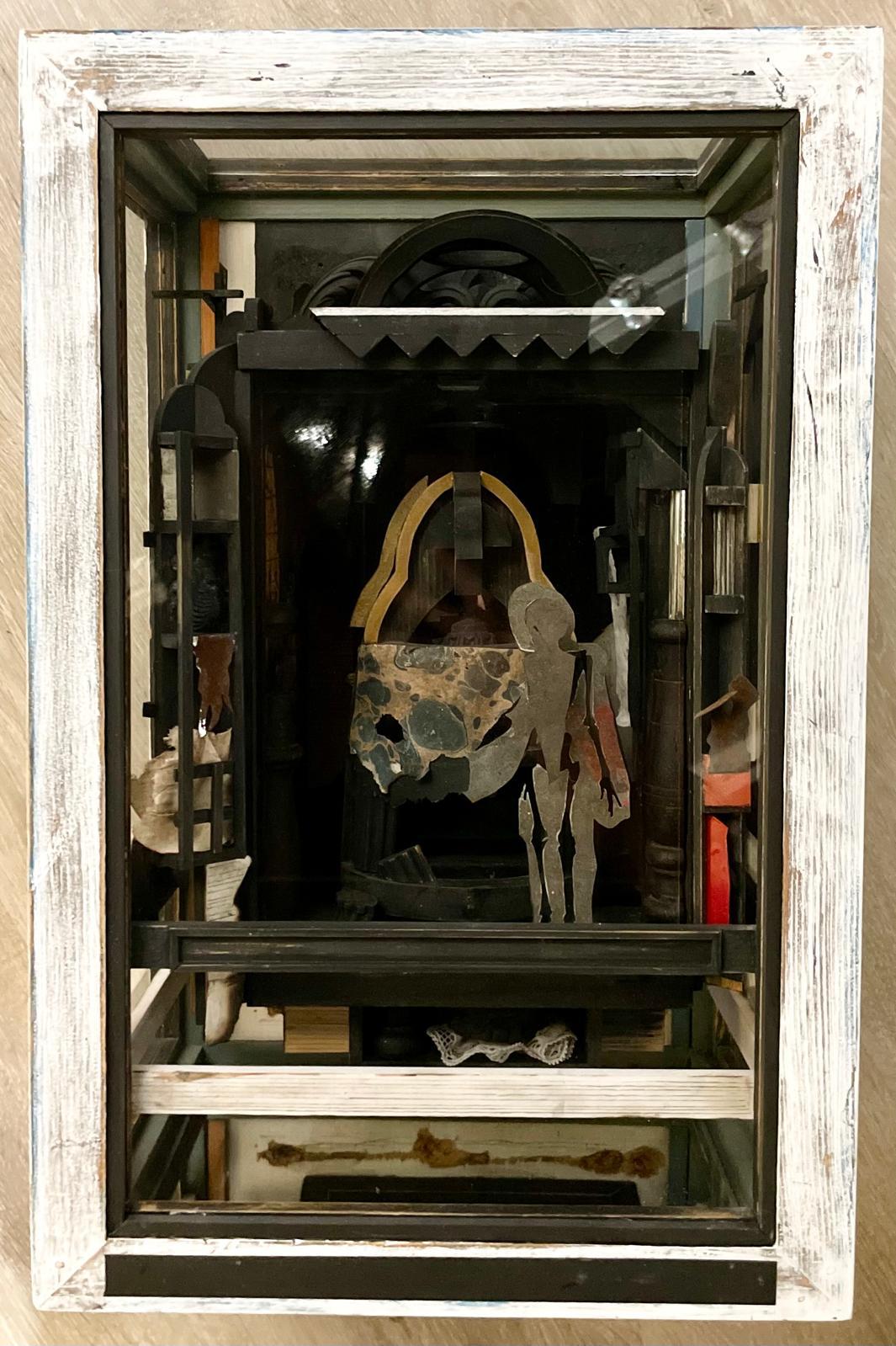
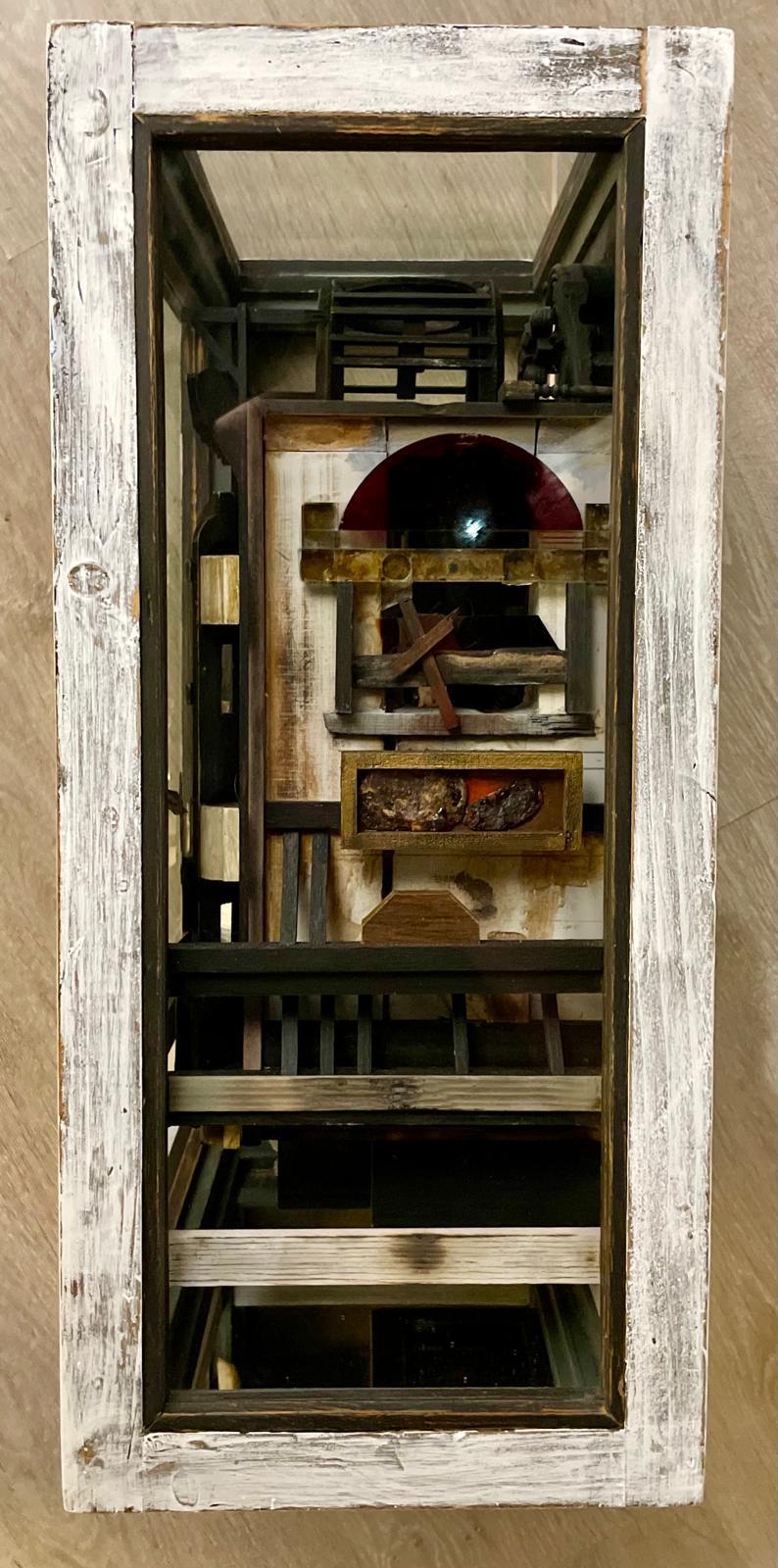
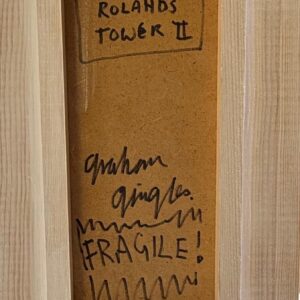
Graham Gingles
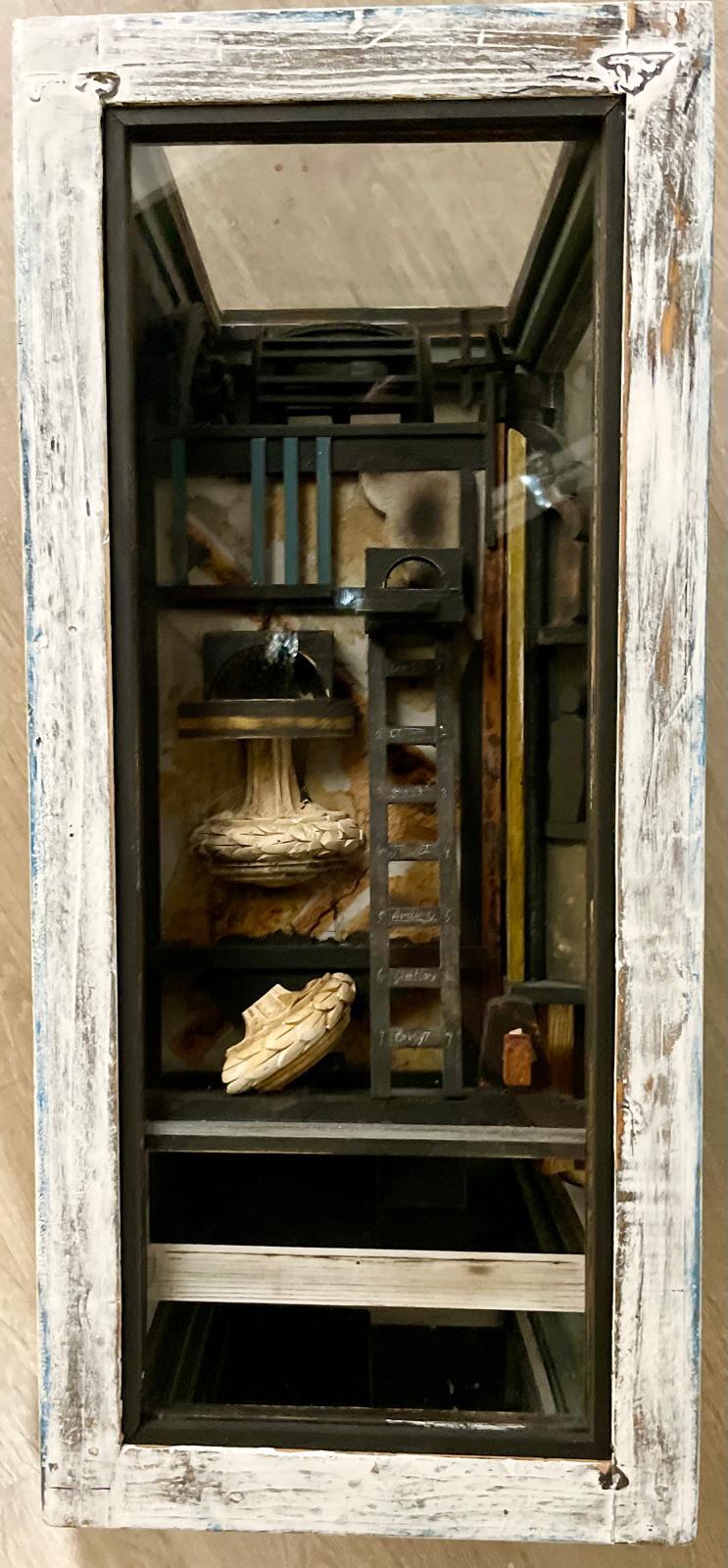
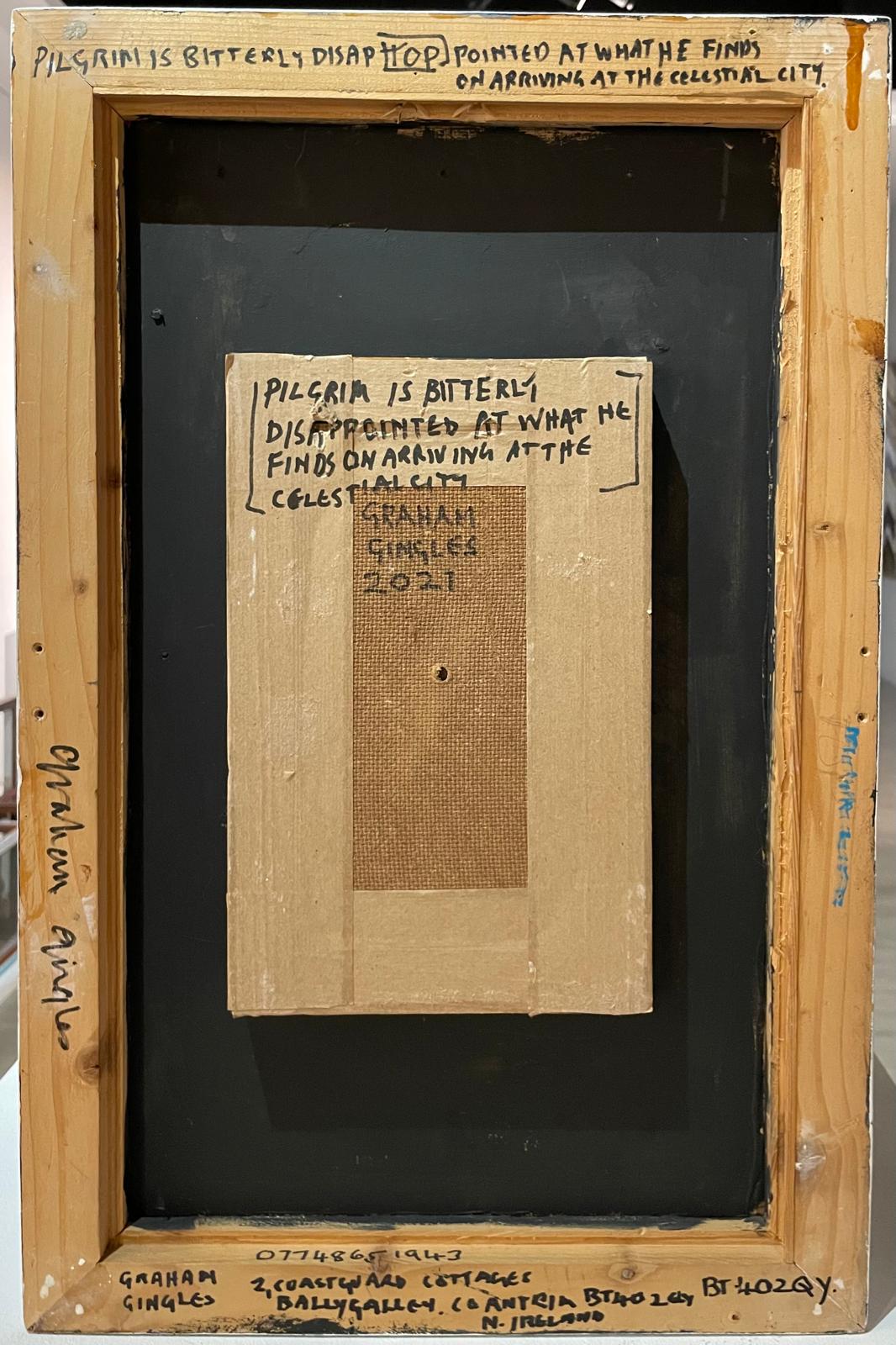
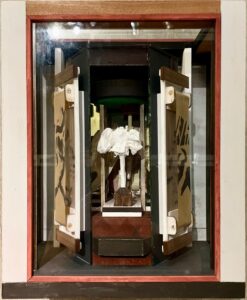
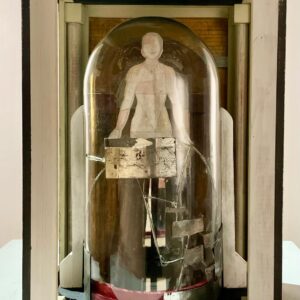
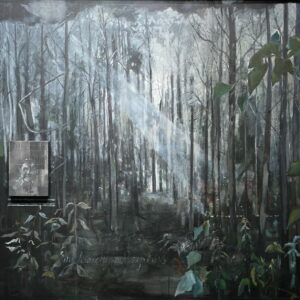
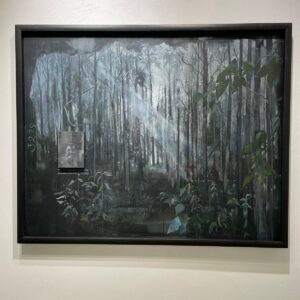
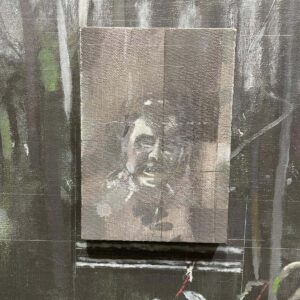
Pilgrim is Bitterly Disappointed at What He Finds on Arriving at the Celestial City
2021
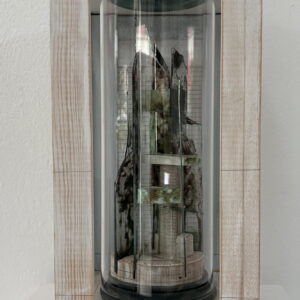
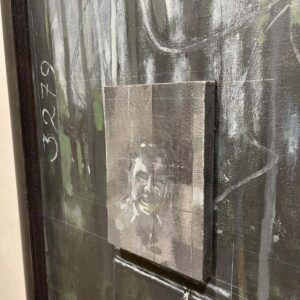
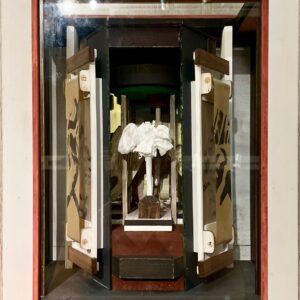
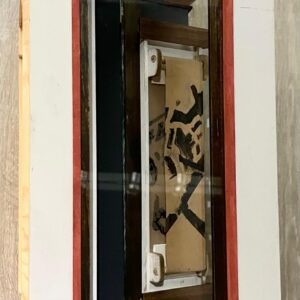
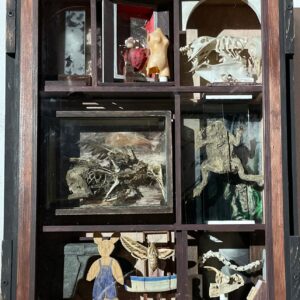
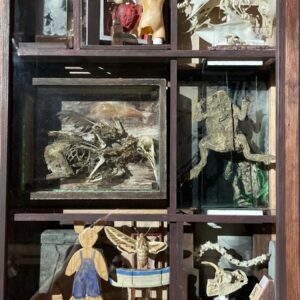
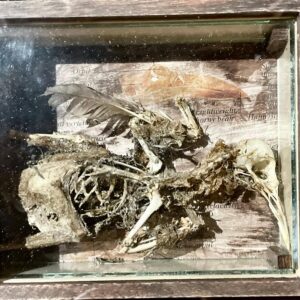
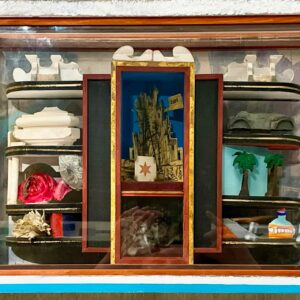
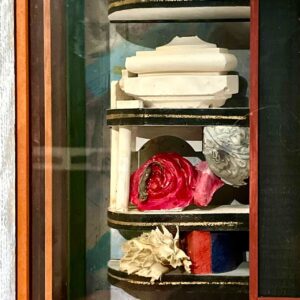
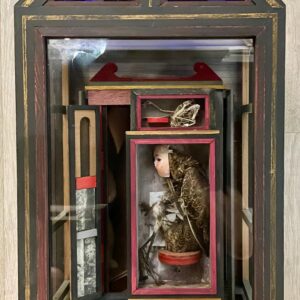
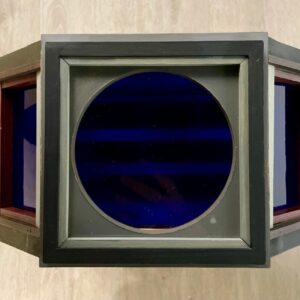
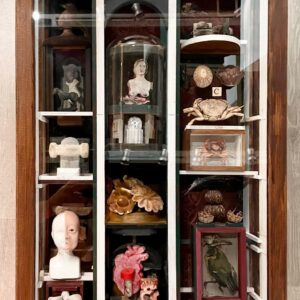
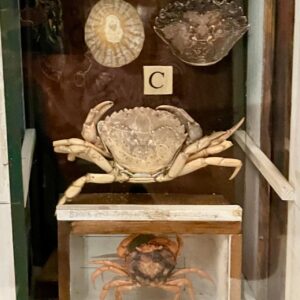
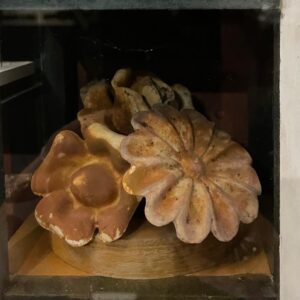
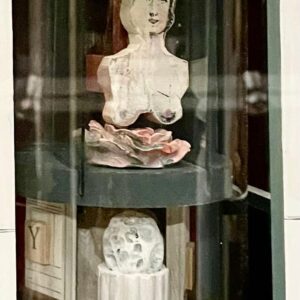
Mixed media wall sculpture, wood and glass box construction
H 51 cm x W 33 cm x D 23 cm / H 20.08 in x W 12.99 in x D 9.06 in
This artwork is Unique
Certificate of Authenticity included
Every artwork travels protected with the same care with which it was chosen.
Graham Gingles (b. 1943, Larne, Co. Antrim) has been constructing intimate, wall-hung boxed worlds since 1969, working almost entirely by hand and without preparatory drawings, guided instead by an intuitive process rooted in personal memory. He studied at the Belfast College of Art, Hornsey College of Art and the British School at Rome, and has exhibited throughout Ireland and internationally over a career spanning more than five decades. His boxes have been described as possessing a quiet religious aura, miniature places of worship housing fetishised articles of private belief, and he has spoken of his own work becoming “more Catholic” as he has grown older, a telling remark from an artist shaped by Northern Ireland’s sectarian landscape.
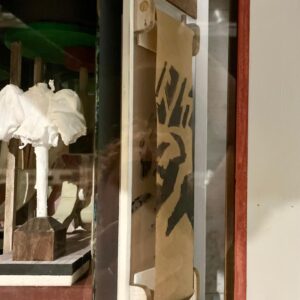
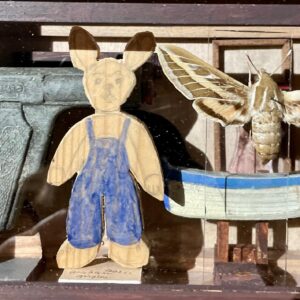
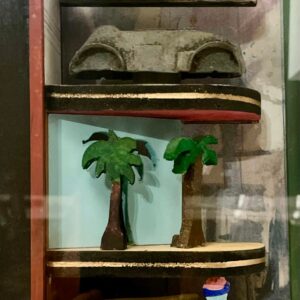
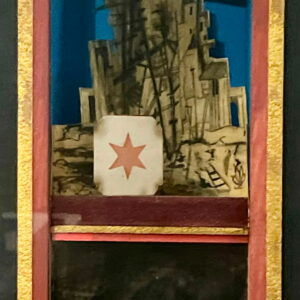
The title borrows directly from John Bunyan’s 17th-century Christian allegory The Pilgrim’s Progress, in which the pilgrim Christian journeys through hardship toward the Celestial City, the promised end of faith itself. Gingles inverts the story’s traditional triumph: his pilgrim arrives only to find bitter disappointment, a dry, dark humour typical of his titling and consistent with an artist who has described his own relationship to faith and religious architecture as unresolved. Housed within his characteristic muted, stained wood and glass box, the piece functions as one of his miniature places of worship, though what is enshrined inside offers no comfort, only the quiet, coded letdown of an ideal confronted with reality.
To collect Pilgrim is Bitterly Disappointed at What He Finds on Arriving at the Celestial City is to own one of Gingles’ most literary and wryly irreverent works, a handmade meditation on faith, expectation and disillusionment built entirely by the artist himself over months or years. It is a piece from a practice held in the same institutional company as the Irish Museum of Modern Art and the Ulster Museum, and one whose title alone rewards a second, closer look.


 WhatsApp
 Email
Email
 WeChat
